Space Tourism in 2026: Opportunities and Challenges Shaping the Future of Travel
Space Tourism is rapidly evolving from a futuristic dream into a growing commercial industry. What once seemed possible only for astronauts and government space agencies is now becoming accessible to private individuals willing to pay for the experience. In 2026, Space Tourism continues to attract significant attention from investors, technology companies, and adventure seekers around the world.
Advancements in reusable rocket technology, private spaceflight programs, and commercial launch systems have accelerated the growth of this emerging sector. While ticket prices remain high, the industry is moving steadily toward broader accessibility.
This article explores the current state of Space Tourism, the opportunities it creates, the challenges it faces, and what the future may hold for commercial travel beyond Earth.
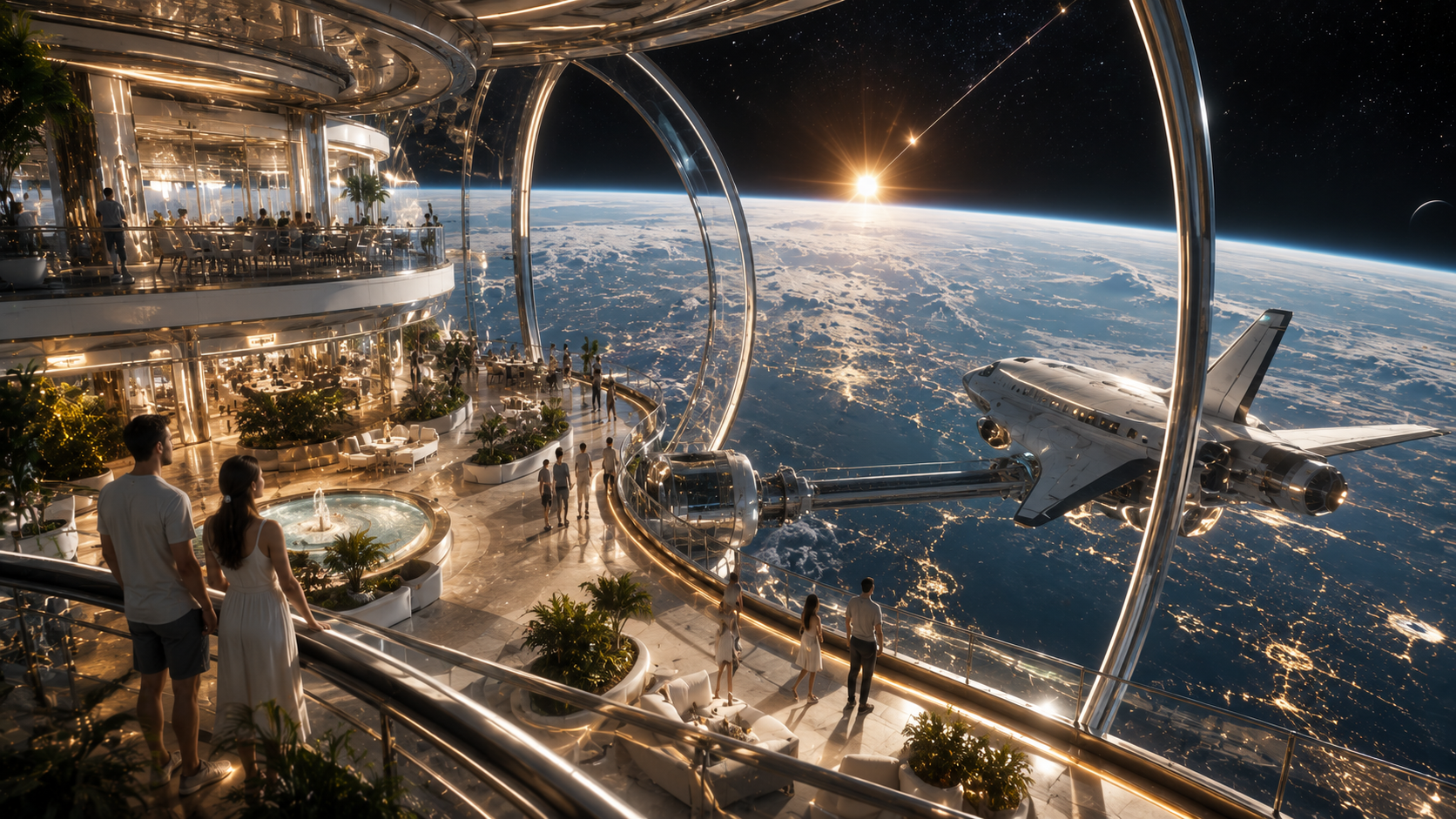
Table of Contents
- What Is Space Tourism?
- The Growth of Commercial Space Travel
- Major Companies Driving the Industry
- Opportunities Created by Space Tourism
- Economic Benefits
- Technological Advancements
- Key Challenges Facing the Industry
- Safety and Regulatory Concerns
- Environmental Considerations
- The Future of Space Tourism
- Conclusion
What Is Space Tourism?
Space Tourism refers to commercial travel experiences that allow private individuals to travel beyond Earth’s atmosphere for recreational, educational, or exploratory purposes.
Unlike traditional astronaut missions, these journeys are designed for paying customers rather than professional space crews.
Current experiences generally fall into three categories:
- Suborbital flights
- Orbital missions
- Future space hotel experiences
As technology improves, commercial space travel is expected to become more accessible to a wider audience.
The Growth of Commercial Space Travel
The modern space industry has experienced remarkable growth over the past decade.
Private aerospace companies have invested heavily in developing reusable launch systems that significantly reduce operational costs. These innovations have helped transform Space Tourism from a theoretical concept into a functioning business model.
Several successful commercial flights have demonstrated that private citizens can safely experience space under controlled conditions.
Growing public interest and continued investment suggest that demand will remain strong throughout the coming years.
Major Companies Driving the Industry
Several organizations are leading the development of commercial space travel.
Private Aerospace Companies
Leading space companies are investing billions of dollars in launch vehicles, passenger systems, and future orbital infrastructure.
Their goals include:
- Reducing launch costs
- Improving passenger safety
- Expanding commercial access
- Developing long-term space habitats
Competition among industry leaders continues to accelerate innovation across the sector.
Opportunities Created by Space Tourism
The expansion of Space Tourism creates exciting opportunities across multiple industries.
New Travel Experiences
One of the most obvious benefits is the creation of entirely new travel opportunities.
Passengers can experience:
- Weightlessness
- Views of Earth from space
- Unique scientific experiences
- Once-in-a-lifetime adventures
For many travelers, these experiences represent the ultimate form of exploration.
Educational Opportunities
Commercial space travel also offers educational benefits.
Participants gain a greater understanding of:
- Astronomy
- Space science
- Earth observation
- Environmental awareness
These experiences may inspire future generations to pursue careers in science and technology.
Business and Investment Growth
The growth of Space Tourism is creating new markets and business opportunities.
Emerging sectors include:
- Aerospace manufacturing
- Space hospitality
- Specialized training services
- Space insurance
- Advanced transportation systems
These industries have the potential to generate substantial economic value.
Economic Benefits
The expanding commercial space sector contributes to economic development in several ways.
Job Creation
Space-related industries require engineers, scientists, technicians, software developers, and support staff.
As commercial operations expand, employment opportunities are expected to increase.
Innovation and Research
Investments in commercial spaceflight often lead to technological breakthroughs that benefit other industries.
Advances in materials science, computing, communications, and transportation frequently emerge from space-related research.
Regional Development
Launch facilities and aerospace centers can stimulate local economies through infrastructure development and tourism activity.
Technological Advancements Supporting Growth
Several innovations are making commercial space travel more practical.
Reusable Rockets
Reusable launch systems significantly reduce mission costs by allowing rocket components to be used multiple times.
Improved Spacecraft Design
Modern spacecraft incorporate enhanced safety systems, passenger comfort features, and advanced navigation technologies.
Advanced Training Programs
Passenger training programs help prepare travelers for the physical demands of spaceflight.
These technological improvements continue to strengthen the commercial viability of the industry.
Key Challenges Facing the Industry
Despite its potential, Space Tourism faces several significant obstacles.
High Costs
Ticket prices remain the largest barrier to widespread adoption.
Current commercial space experiences often cost hundreds of thousands or even millions of dollars.
Reducing costs will be essential for long-term growth.
Limited Accessibility
Only a small percentage of the global population can currently afford commercial space travel.
Greater accessibility will depend on technological improvements and increased competition.
Infrastructure Requirements
Developing launch facilities, training centers, and future orbital accommodations requires substantial investment.
Safety and Regulatory Concerns
Safety remains a top priority for the industry.
Commercial spaceflight involves risks associated with:
- Rocket launches
- High-speed travel
- Extreme environmental conditions
- Technical failures
Governments and regulatory agencies continue developing frameworks to ensure passenger safety while supporting innovation.
Maintaining strong safety standards will be critical for public confidence and industry growth.
Environmental Considerations
Environmental concerns are becoming increasingly important as commercial launch activity expands.
Key issues include:
- Carbon emissions
- Atmospheric impacts
- Resource consumption
- Space debris management
Industry leaders are exploring cleaner technologies and sustainable practices to reduce environmental effects.
Balancing growth with environmental responsibility will remain an important challenge.
The Future of Space Tourism
The future of Space Tourism appears promising despite current limitations.
Industry experts predict several developments over the next decade:
- Lower ticket prices
- More frequent launches
- Improved passenger experiences
- Commercial space stations
- Space hotels
- Extended orbital stays
As technology continues advancing, commercial space travel may eventually become a realistic option for a much larger portion of the population.
The long-term vision extends beyond tourism and includes broader human activity in space.
Learn more about human space exploration